
I
-
B
e
l
i
e
v
e
C
o
m
m
u
n
i
c
a
t
i
o
n
s

How to Build a Brand Identity That Scales in 2026
Back to Blog Page
How to Build a Brand Identity That Scales in 2026
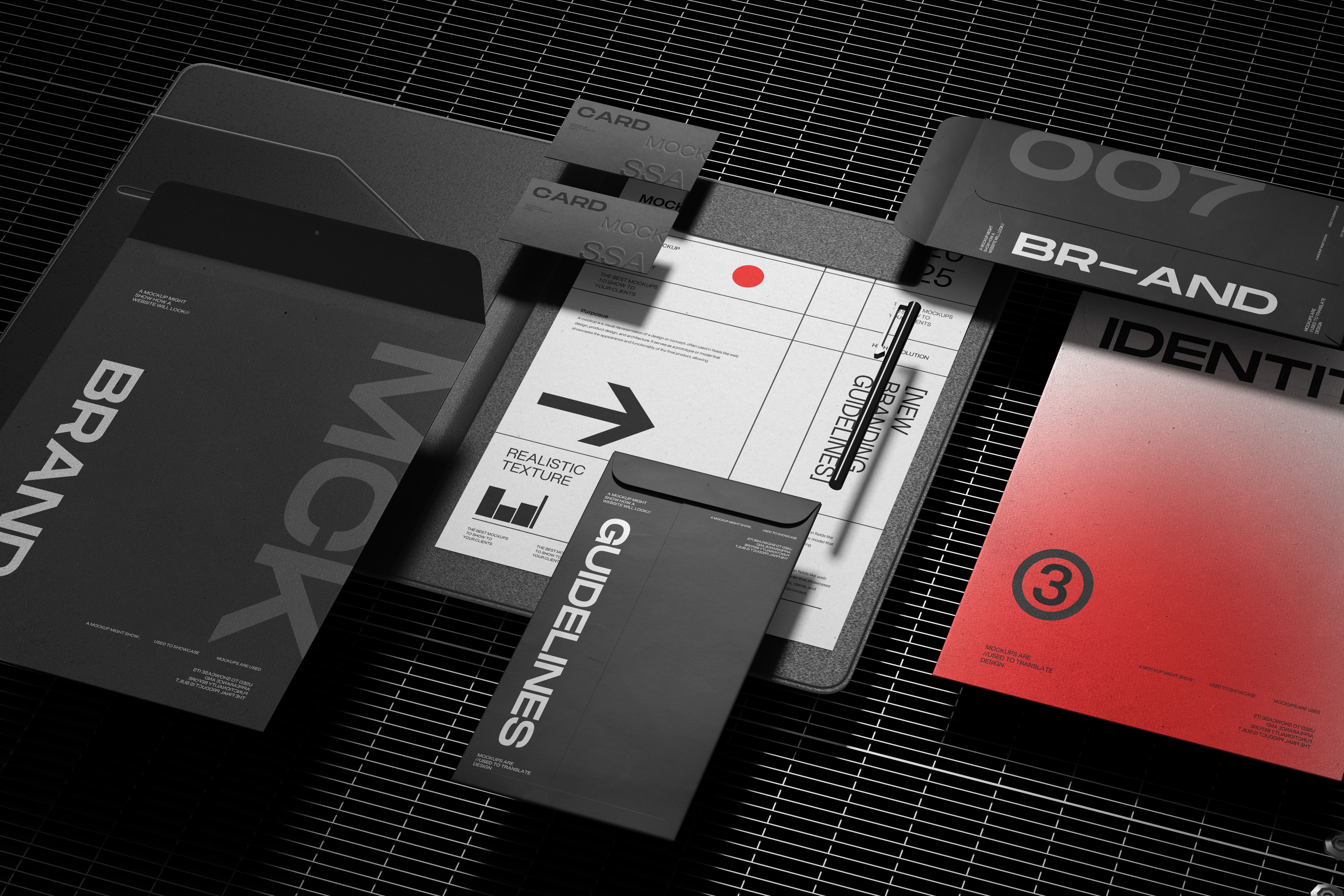
A complete guide to future-ready brand identity systems
In 2026, building a brand isn’t just about a logo or a color palette, it’s about creating a scalable brand identity system that grows with your business, adapts across platforms, and stays consistent in an ever-evolving digital landscape.
Whether you’re launching a new venture or refreshing your existing presence, your corporate visual identity must be designed for flexibility, recognition, and long-term impact.
Let’s break down how to build a brand identity that truly scales.
What is a Scalable Brand Identity?
A scalable branding system is a structured approach to branding that ensures your identity remains consistent across all touchpoints—while being flexible enough to evolve as your business grows.
It includes:
- Visual elements (logo, colors, typography)
- Brand voice and messaging
- Design systems for digital and print
- Guidelines for consistency
Think of it as a living framework, not a one-time design exercise.
Why Scalable Branding Matters in 2026
With brands now existing across:
- Social media platforms
- Websites and apps
- Digital ads and video content
- Offline experiences
Your brand identity must work everywhere, seamlessly.
A strong brand identity system helps you:
- Maintain consistency across channels
- Build instant recognition
- Reduce design inefficiencies
- Adapt quickly to new platforms and trends
Step-by-Step Guide to Building a Scalable Brand Identity
1. Start With a Clear Brand Strategy
Before visuals, define:
- Your brand purpose
- Target audience
- Positioning and differentiation
- Core values
Your brand strategy is the foundation without it, even the best visuals won’t scale effectively.
2. Design a Flexible Logo System
In 2026, one logo is not enough.
Create a logo system that includes:
- Primary logo
- Secondary variations
- Icon or symbol version
- Responsive formats for different screens
This ensures your identity works across everything—from Instagram profiles to billboards.
3. Build a Cohesive Corporate Visual Identity
Your corporate visual identity should go beyond aesthetics and focus on usability.
Key elements include:
- A defined color system (primary, secondary, accent colors)
- Scalable typography (web-safe and versatile fonts)
- Grid systems and layout styles
- Consistent imagery and iconography
The goal is to create a system that designers and teams can easily replicate.
4. Create a Brand Identity System (Not Just Guidelines)
Traditional brand guidelines are static.
Modern brand identity systems are dynamic and actionable.
Include:
- Usage rules with real examples
- Templates for social media, presentations, ads
- Motion and animation guidelines
- Tone of voice and messaging frameworks
This ensures your brand remains consistent—even when multiple teams are involved.
5. Design for Digital-First Experiences
In 2026, your brand will be experienced primarily on screens.
Focus on:
- Mobile-first design
- UI-friendly typography and colors
- Accessibility (contrast, readability)
- Motion design for engagement
A scalable brand is one that looks as strong on a smartphone as it does on a large screen.
6. Ensure Cross-Platform Consistency
Your branding should feel the same across:
- Instagram, LinkedIn, YouTube
- Website and landing pages
- Email marketing
- Offline collaterals
Consistency builds trust—and trust builds recognition.
7. Build for Growth and Adaptability
Your brand should evolve without losing its core identity.
Plan for:
- New product lines
- Market expansion
- Rebranding or refresh cycles
- Trend adaptations
A strong scalable branding system makes these transitions seamless.
Common Mistakes to Avoid
- Treating branding as a one-time project
- Overcomplicating visual systems
- Ignoring digital adaptability
- Lack of clear brand guidelines
- Inconsistency across platforms
The Future of Brand Identity Systems
In 2026 and beyond, branding will be:
- More dynamic (motion, AI-generated content)
- More personalized
- More platform-specific
- Yet deeply rooted in a strong core identity
Brands that invest in scalable brand identity systems today will be the ones that stay relevant tomorrow.
Final Thoughts
Building a scalable brand identity isn’t just about looking good, it’s about creating a system that supports your business as it grows.
If you’re planning to launch or refresh your brand, focus on:
- Strategy first
- Systems over aesthetics
- Consistency with flexibility
Because in 2026, the strongest brands aren’t just seen, they’re recognized everywhere.

 © 2026